
Guthuk (དགུ་ཐུག) is one of the most meaningful and symbolic culinary traditions in Tibetan culture. It is traditionally eaten on the 29th day of the twelfth lunar month, just two days before Losar (ལོ་གསར།), the Tibetan New Year. Although Guthuk appears to be a simple noodle soup, its cultural, spiritual, and communal significance extends far beyond food. The tradition reflects Tibetan values of purification, introspection, humor, unity, and preparation for a fresh beginning.

The word “Gu” (དགུ་) means “nine,” referring to the nine principal ingredients traditionally used in the soup. The word “Thuk” (ཐུག་) derives from “Thukpa” (ཐུག་པ།), meaning noodle soup. Thus, Guthuk literally translates to “nine-ingredient noodle soup.” The dish commonly contains noodles, meat, radish, cheese, green vegetables, and various other ingredients that symbolize abundance and nourishment.
However, the importance of Guthuk lies not merely in its ingredients but in the ritual context in which it is consumed. The meal is closely connected to the observance of Gutor (དགུ་གཏོར།), a significant year-end purification ceremony in Tibetan Buddhism. Gutor rituals are traditionally performed to dispel accumulated negativities, obstacles, illnesses, misfortunes, and spiritual impurities from the passing year. Tibetans believe that before entering a new year, both the household and the mind should be spiritually cleansed in order to welcome auspiciousness, harmony, and prosperity.
One of the most distinctive and entertaining aspects of Guthuk is the inclusion of symbolic dough balls hidden within the soup. Each family member receives one, and inside each dough ball is a concealed object or symbol intended to humorously reveal aspects of the person’s character, habits, or fortune. These symbolic items often provoke laughter and playful teasing among family members while simultaneously encouraging self-reflection.
One of the most distinctive and entertaining aspects of Guthuk is the inclusion of symbolic dough balls hidden within the soup. Each family member receives one, and inside each dough ball is a concealed object or symbol intended to humorously reveal aspects of the person’s character, habits, or fortune. These symbolic items often provoke laughter and playful teasing among family members while simultaneously encouraging self-reflection.
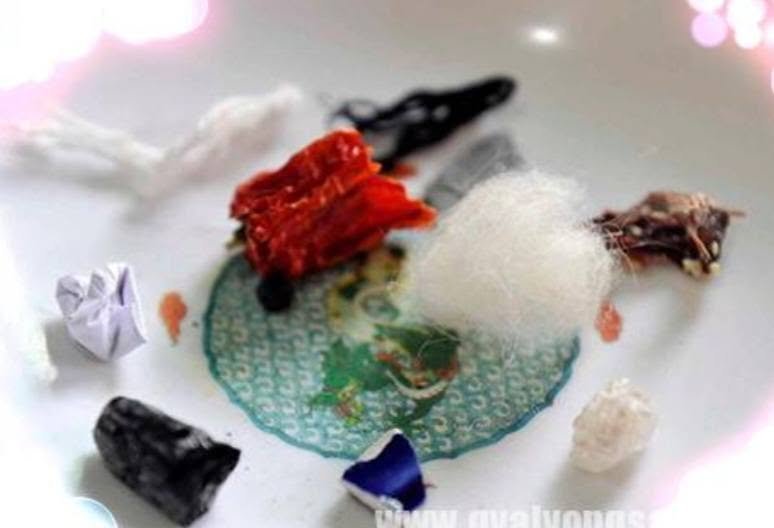
For example:
- Wool may symbolize kindness or a soft-hearted personality.
- Chilli may suggest that a person talks too much or has a fiery temperament.
- Coal may imply laziness or a dark disposition.
- Salt may represent reliability or honesty.
- Paper may indicate emptiness or lack of attentiveness.
- A piece of wood may symbolize stubbornness.
- White objects such as cotton or rice may signify purity and good intentions.
These symbolic revelations are not generally intended as insults, but rather as lighthearted observations that strengthen family bonds and encourage individuals to reflect upon their conduct before beginning the new year.
After eating Guthuk, many Tibetan families also participate in traditional cleansing rituals. Homes are thoroughly cleaned, and symbolic ceremonies are performed to drive away negativity. In some regions, people carry a torch or perform rituals to expel harmful spirits and lingering bad fortune from the household. This practice symbolizes leaving behind all obstacles and impurities of the previous year.
The timing of Guthuk, specifically on the 29th day of the lunar month, is deeply intentional. Since Losar marks a spiritual and cultural rebirth, the days immediately preceding it are viewed as a transitional period between the old year and the new one. Guthuk therefore serves as both a farewell to the difficulties of the past year and a preparation for the blessings of the coming year.
Beyond its spiritual symbolism, Guthuk also preserves an important sense of community and continuity within Tibetan society. Families gather together to cook, eat, laugh, and participate in rituals collectively. Through this shared experience, cultural knowledge, stories, and traditions are passed from one generation to another. Even among Tibetans living in exile or abroad, the preparation of Guthuk remains a powerful way to maintain cultural identity and connection to Tibetan heritage.
Thus, Guthuk is far more than a traditional noodle soup. It embodies purification, communal reflection, humor, spiritual renewal, and the hope for a fortunate new beginning. Through the shared ritual of eating Guthuk, Tibetans symbolically cleanse the old year and consciously prepare themselves to enter Losar with positivity, wisdom, and renewed harmony.